Kate Lynn Lindsey
an assistant professor of linguistics
specializing in the documentation
and preservation of linguistic diversity
  • Home
  • CV & Publications
  • Research
  • Teaching
    • Recommendation Letters
  • Fieldwork & Language Communities
  • Academic & Travel News
  • Bio & Contact

Dissertation defense: Ghost elements in Ende phonology

5/21/2019

 
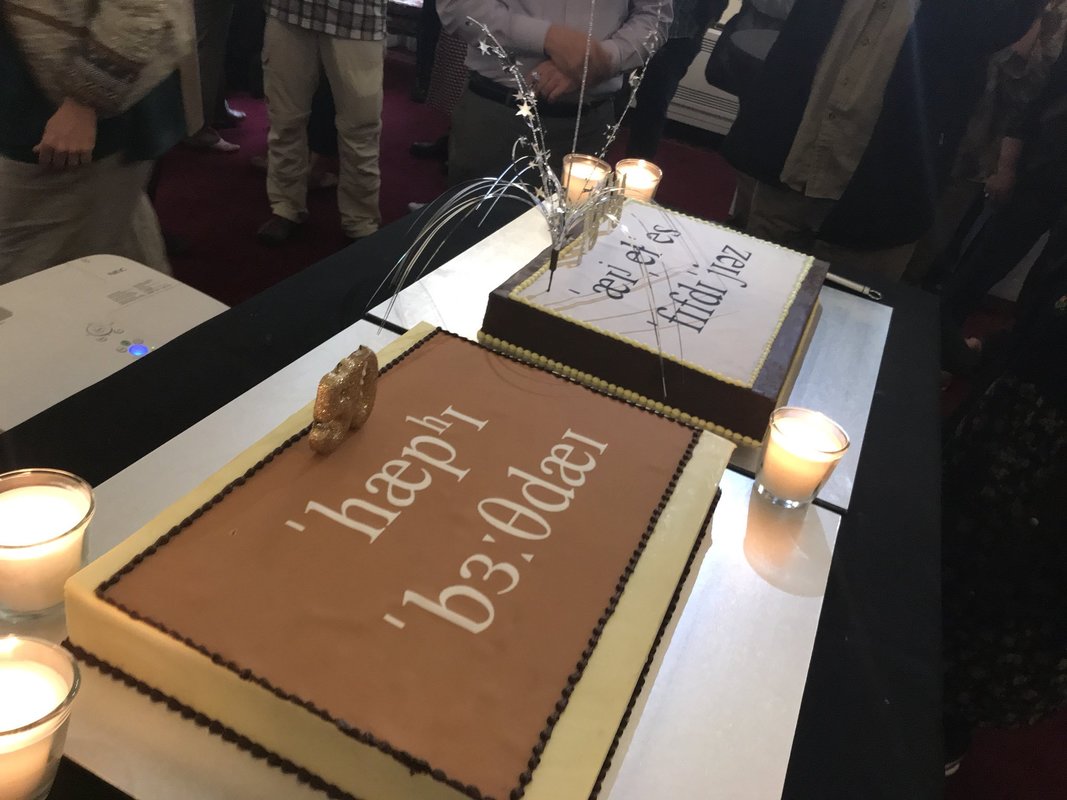
What a thrill to defend my dissertation in front of so many of my advisors, friends, and family!

​Abstract:
In this work, I expand Zoll’s (1996) analysis of subsegmental phenomena to address the fact that her uniform treatment of ghost elements cannot account for a key behavioral property: the default realizational state of the ghost element (Zimmermann 2018). This property subclassifies ghost elements into two groups: those that are preferentially realized unless they violate markedness and those that are preferentially deleted unless they repair markedness. I call these martyr and hero ghosts, respectively.
In Optimality Theory, presence and absence of phonological elements in the output is regulated by ranked and violable constraints. If a constraint that penalizes non-realization of a phonological element is ranked higher than a constraint that penalizes realization, then the optimal output will not include the element. This is the necessary constraint ranking for a ghost element that exhibits martyr-type behavior. The opposite ranking generates hero-type behavior. If ghost elements are represented uniformly as subsegments as Zoll (1996) proposes, then we predict only two types of languages: one in which all ghost elements are martyrs and one in which all ghost elements are heroes. This theoretical typology undergenerates the empirically observed typology of phonological patterns.
Ende (Pahoturi River) exhibits two types of ghost elements: floating nasals, a martyr ghost, and infinitival reduplication, a hero ghost. I propose a representational distinction that splits ghost elements into two subsegmental types: those that are specified for their melodic features and those that are specified for their skeletal or structural features. This engenders faithfulness constraints which can be ranked with respect to one another to indicate a language’s preference to realize or not realize melodic or skeletal subsegments, predicting four types of languages, including Ende.
This work provides analyses of both ghost elements in Ende and other languages with multiple ghost elements, including Chaha, Yowlumne, and Welsh. I also provide the first descriptive analyses of the phonotactics, phonology, and morphology of Ende and introduce the basic typological profile for the language and the language family.
Talk: ​Is Ende reduplication phonological copying or morphological doubling? ​@ UC Berkeley's Phonetics and Phonology Forum

3/18/2019

 
​Is Ende reduplication phonological copying or morphological doubling?
Ende infinitival verbs are an interesting puzzle for the Dual Theory of reduplication (Inkelas 2008), which distinguishes phonological and morphological doubling as formally and functionally distinct phenomena. In Ende, infinitival reduplication is sensitive to phonological structure (monosyllabic verb roots reduplicate, multisyllabic verb roots do not reduplicate) and to morphological structure (monomorphemic verb roots reduplicate, multimorphemic verb roots do not). The shape of the reduplicant may be phonologically-determined (CV template, TETU patterns) or morphologically-determined (total reduplication, no TETU patterns). In this talk, I will contrast the two potential analyses, showing that neither a strictly phonological nor a strictly morphological analysis can account for all the data, and suggest an alternative mixed approach.
 
Inkelas, S. (2008). The dual theory of reduplication. Linguistics, 46, 351–402.
CLICK THIS POST TO SEE HANDOUT

Talk: Native Speaker Intuition - Talk and Film Screening

10/19/2018

 
Giving native speakers a voice improves linguistic data collection. In this talk, Kate Lindsey will detail the ways in which actively engaging native speakers in the linguistic exploration of the Ende language resulted in better research outcomes for her doctoral work on phonological variation in the Ende verb. This half-hour presentation will be followed by the screening of a short film, which is the culmination of collaboration between Ende community members, who directed and narrated the auto-documentary, and Lindsey, who provided technical training during an eight-week class.
 
The movie shows life as it was in southern Papua New Guinea before Christianity and how it all changed when two missionaries came from up river, and sent two Ende couples to bible school in the late 50s. They returned three years later as the first Ende pastors. The movie talks about the hardships they faced and how the arrival of Christianity came with the arrival of clothes, medicine, air strips, and schools. Ende Tän e Indrang is a unique ethnographic document as it details the cultural conversion of a little-known tribe from their own perspective. 

​Film: Ende Tän e Indrang ‘Light into Ende Tribe’. Papua New Guinea, 30 mins. In Ende language with English subtitles.

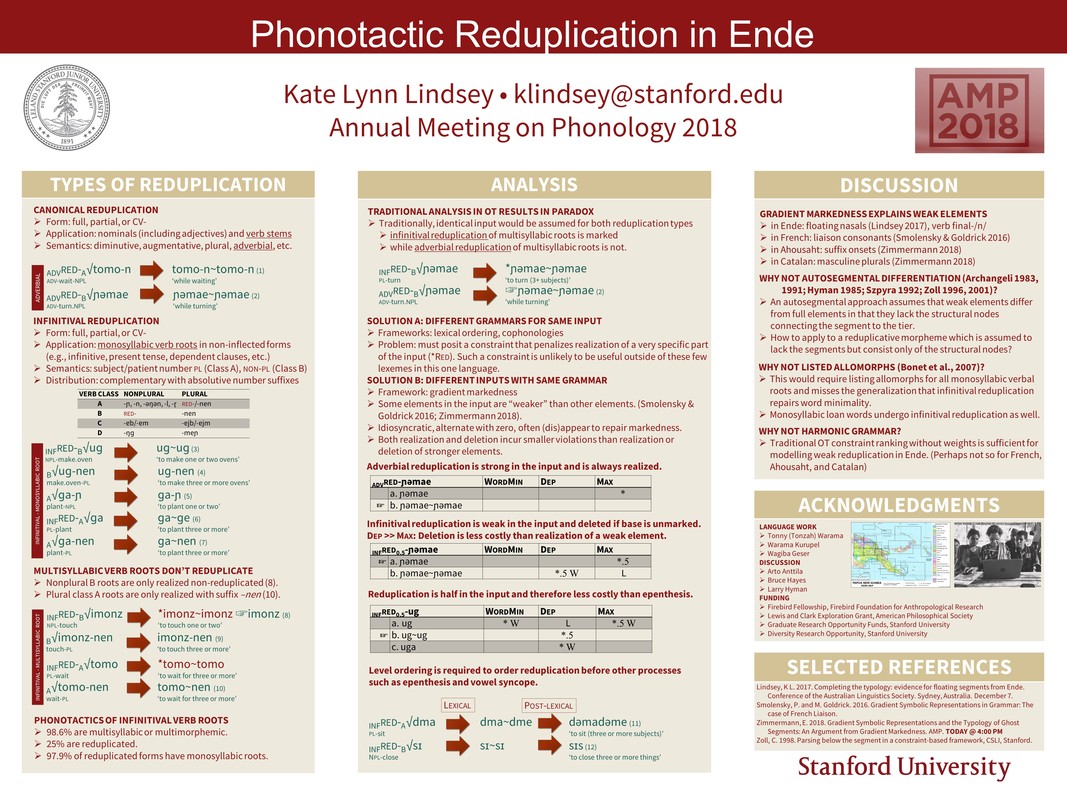
Poster: Phonotactic Reduplication in Ende

10/6/2018

 
Picture
Had a great experience presenting my data on Phonotactic Reduplication in Ende at the Annual Meeting on Phonology in San Diego! I was happy to have such an engaged audience during my poster session, which I think will really improve how this work fits into my dissertation.

In the News: Stanford Daily

8/30/2018

 
Picture
BY ALEX KEKAUOHA
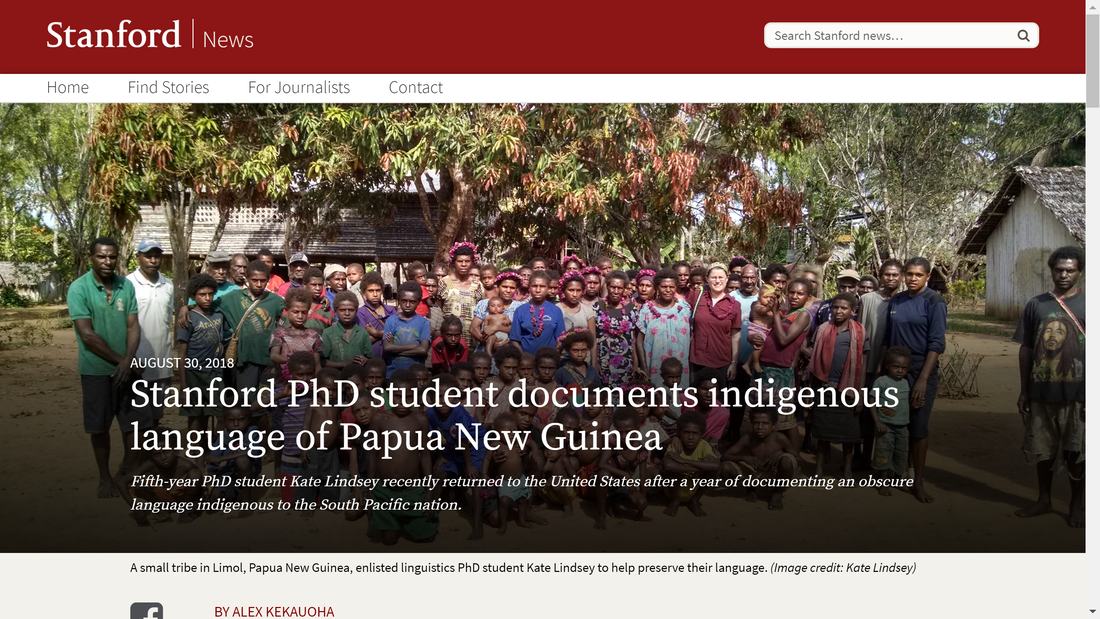
Three years ago, linguistics PhD student Kate Lindsey was looking for new research projects when an advisor told her about a small tribe in Papua New Guinea that was seeking help preserving their language, called Ende. The tribe invited Lindsey to stay with them and create a dictionary and grammar, as well as translate various texts from English. Deciding that this field research could be developed for her dissertation, Lindsey set out a year ago for the tiny village, called Limol, 7,000 miles away.

Full Article here.

Fieldwork: Limol, Papua New Guinea (Trip #5)

7/15/2018

 
​An end. A beginning.


I’m settled in at Kwale and Aruwa’s house. Our second home in Upiara. The run up to this departure was so exaggeratingly slow, that I’m surprised at how fast the past two days have felt. 

Tuesday was my last work day in Limol, and consequently everyone who had ignored my requests for language help in the last two weeks came at the same time to help. I was able to get a few good recordings in and I also recorded some tutorials in Ende for how to use the camera and video cameras. Otherwise I spent the day organizing the corpus for leaving here and finishing some last minute transcriptions. 

I spent all day Wednesday packing, giving things away to friends, and organizing what I’m leaving for Catherine as clearly as possible. The men all went hunting and the women went for fish. I went with Wagiba our dog Maya for sago and got my 18th run in a row! Wagiba said some really nice things to me, like how nice my Ende has gotten and how I’m everyone’s daughter in the village. We had a really nice feast. Quite a few people gave thank you speeches which felt good. At least seven mothers brought me a plate of food! Though I had more work to do on the computer, I decided to have one last showing of the Ende movie and Moana for everyone. People really liked it. 

This morning was filled with last minute packing, pictures, and goodbyes. It was sadder than usual since I’m not sure when I’ll come back next. Everyone kept telling me all the old people will die while I’m gone, which, obviously, added to the sadness. But it actually felt quite rushed, I walked out of the village and it was hard to tell if my backpack was more full with my few possessions or leaves and flowers slipped in by my friends.

Now I’m in Upiara after an uneventful but very slow canoe ride in the hot sun. I sweated in two layers, a rain coat, and an umbrella but I think I avoided sunburn. I am looking forward to this trip to Daru, as I’m taking Wagiba with me on the plane and I know she will help me get what I need to get done done. Besides the usual shopping for Limol, my top priority is to get some recordings of an Agob speaker - Agob is the last language we need for a full survey of the Pahoturi River language family. I also hope to get a lot of transcribing done and to watch the World Cup final, but that depends on how many people come to visit and the TV channel selection at Tobest. Fingers crossed!

While this is an end to something big - my year here ‘down under’ - I also see it as the beginning of the last year of my PhD, which I am really, really excited to begin. This year will be all about writing, publishing, presenting, applying for jobs, and networking. I’ve got quite a few papers and talks lined up, and I’m excited just to do my best and talk about my work - which is something I still love! Many people experience getting burnt out from their dissertation, so perhaps I’m lucky that I had even more frustrating things to get burnt out on that my relationship with my thesis is still in tact :) hope it lasts through the year!

For now my mind is all on Australia. A few papers, presentations, meetings, and even a movie premiere are all scheduled for the next two weeks. I’m also starting my writing bootcamp, which is four hours of writing every morning, which I hope to keep up throughout the year! Penny is also taking me out for a birthday dinner (!) and Andrey has booked me a day at the spa (!) so I’m looking forward to getting nice and pampered too. 

Feeling good,
Kate

Talk: Completing the Typology - Evidence for Floating Segments from Ende (ALS 50)

12/7/2017

 
Picture
So happy to give a talk on Ende phonology at the Australian Linguistics Society's 50th annual conference! The talk went really well and I got to showcase a lot of new data from my 2017 fieldtrip. This will be the fourth chapter of my dissertation. The abstract and slides are included below

Travel: SF-Australia

9/22/2017

 
Picture
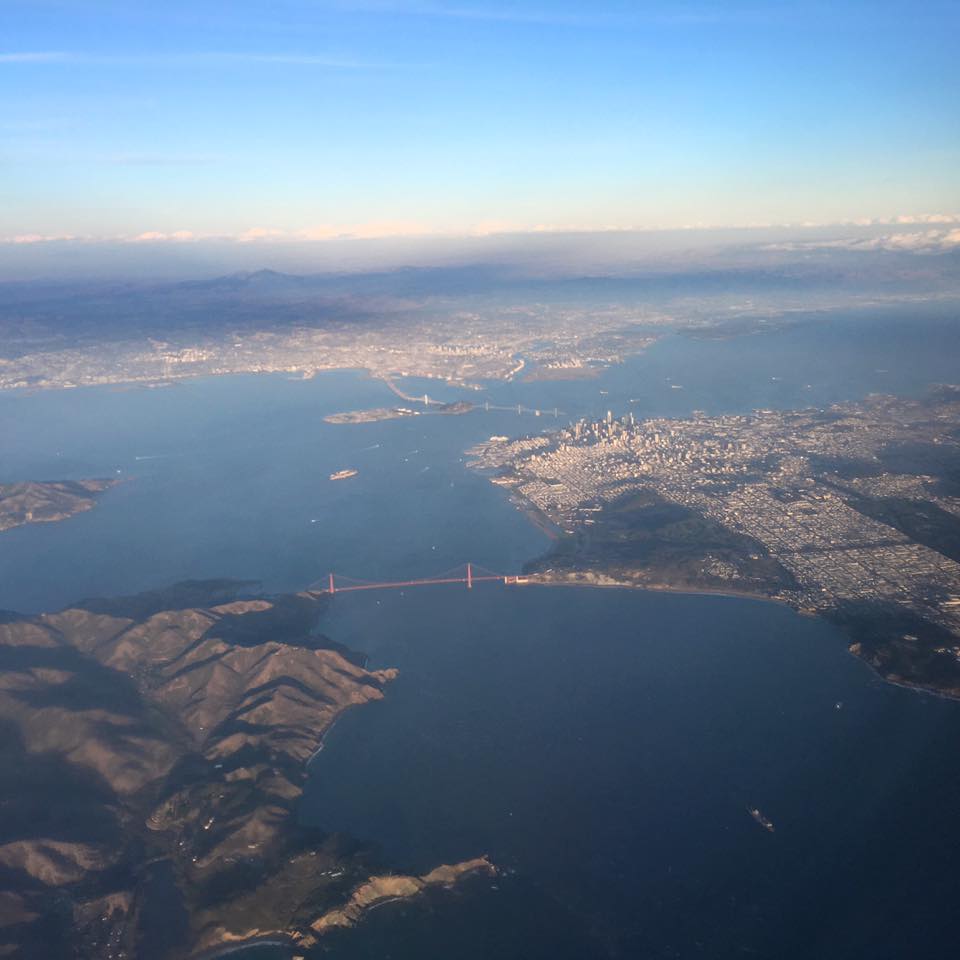
Today, I take off for beautiful Australia for a year of fieldwork and collaboration at the Australian National University! It was a tough decision to take a year "off" and leave home but I know that I need this year to understand the Ende language well enough to do it justice in my dissertation.

Invitation: Visiting Scholar at American University

6/16/2017

 
Picture
I am happy to announce that I will be moving to DC for the summer on an invited visiting scholarship at my alma mater, American University. I will be hosted by the Department of World Languages and Cultures. I'm so grateful to my undergraduate advisor Professor Naomi Baron for making this happen.
​While at AU, I will be preparing for this year's fieldtrip back to Limol and beginning to write my dissertation.

Accomplishment: Completed Dissertation Proposal

5/23/2017

 
On May 23rd, I submitted my dissertation proposal to my committee, which includes Arto Anttila and Nicholas Evans (co-chairs) and Vera Gribanova. This dissertation will comprise a detailed description and analysis of the phonology and morphology of the verb in Ende, a language spoken in southern Papua New Guinea. This proposal provides the context for this work, gives a basic description of the Ende verb, and outlines several analytical puzzles to be solved. Final outcomes of this dissertation will include an annotated corpus, a description of the phonology, morphology, and semantics of each piece of the verbal complex, and a theoretical explanation for some of the phonological and morphological phenomena. The project will contribute significantly to what is known about one of the most linguistically diverse and understudied regions of the world.

Grant: Lewis and Clark Fund for Exploration and Field Research

5/20/2017

 
Picture
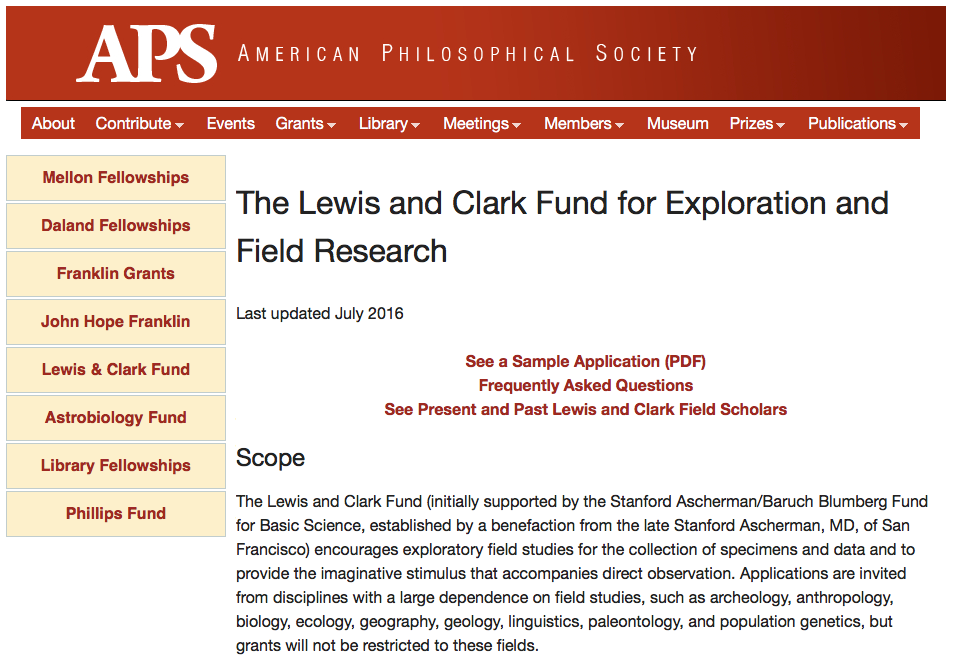
​I am very happy to report that I have been awarded support from the Lewis and Clark Fund for Exploration and Field Research. They have accepted my proposal to collect and annotate the Ende spoken corpus and expand the Ende dictionary and grammar. Their support will go directly toward this important documentation task that has been requested directly by the Ende speaking community. I feel very honored to have their support and look forward to sharing this with Limol. 

Talk: Verbal Reduplication in Ende (NoW Phon 3)

5/19/2017

 
Picture
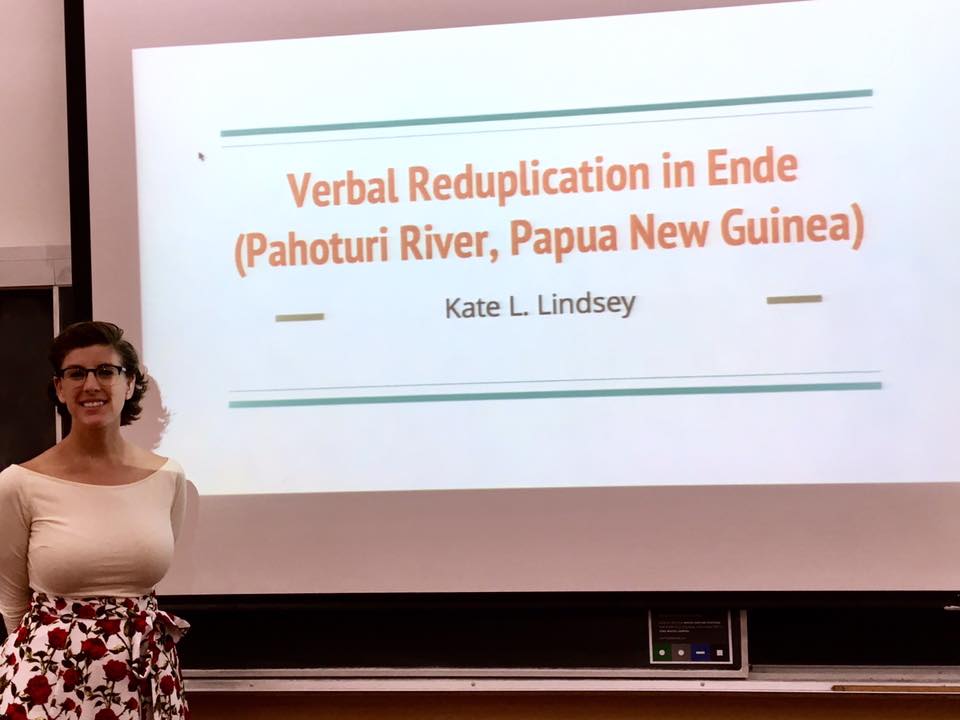
On May 19th, I gave a talk titled “Verbal Reduplication in Ende” at the 3rd annual Northwest Phonetics and Phonology Conference. The data presented in this talk were collected in 2015 and 2016 and the proposed analysis for the three reduplication patterns is part of my dissertation proposal. I got some great feedback and stayed with my friend Oksana, whom I met in 2011 at the LSA Institute in Boulder. I’ve attached the slides below.

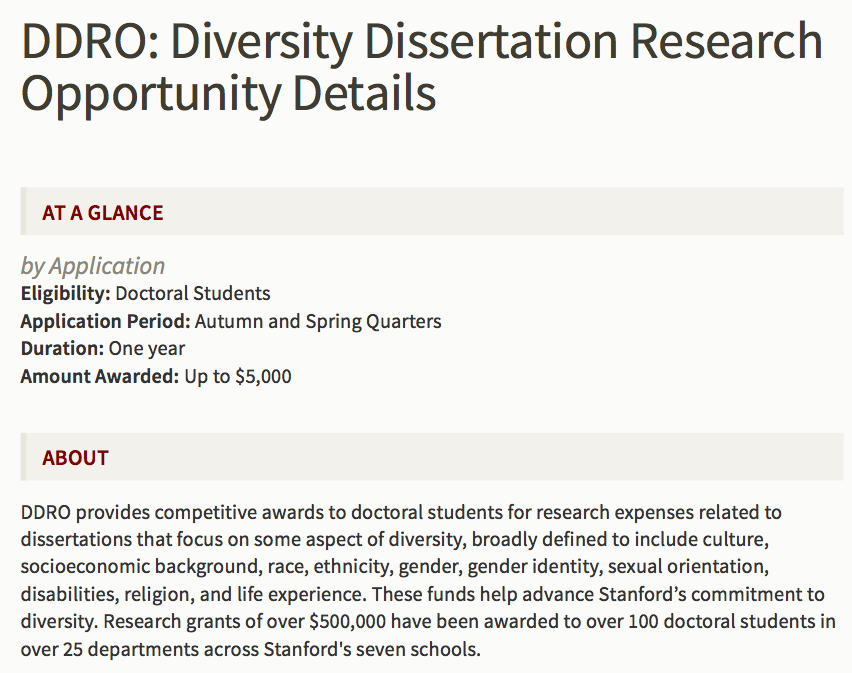
Grant: Stanford VPGE Diversity Dissertation Research Opportunity grant

5/17/2017

 
Picture
​Today, I received the wonderful news that my proposal to continue research on the phonology and morphology of the Ende verb was accepted by the Stanford Vice Provost for Education Diversity Dissertaiton Research Opportunity fund. This grant will support travel and equipment fees related to my dissertation.

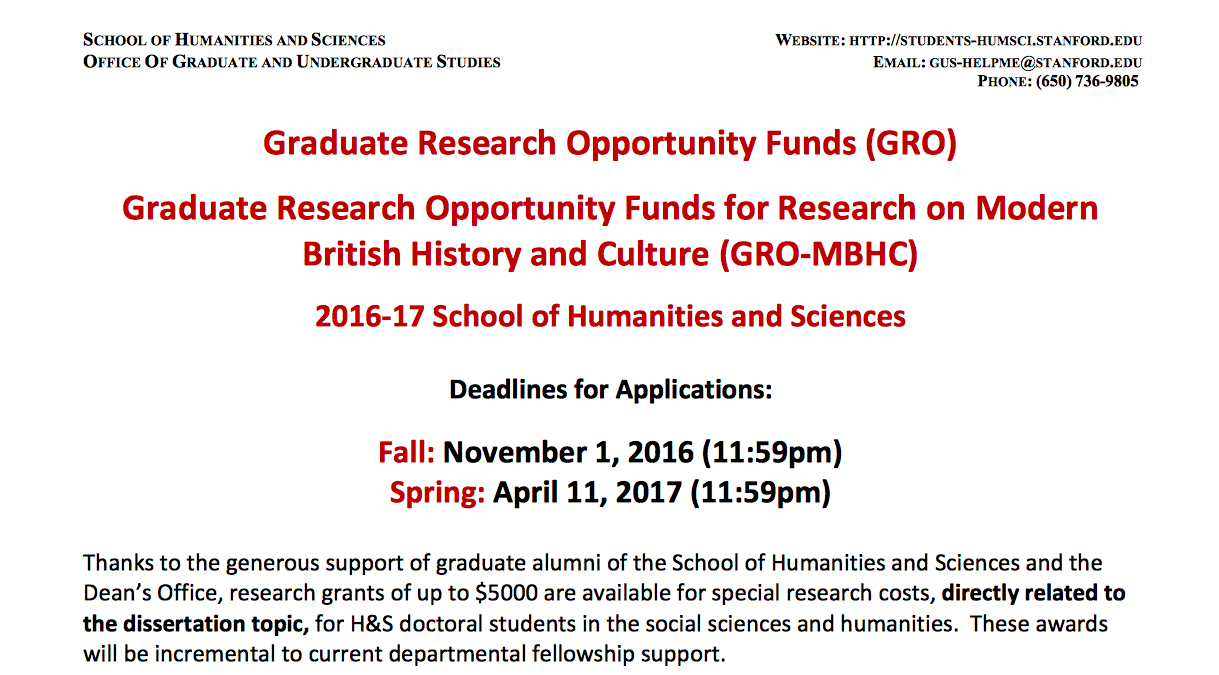
Grant: Stanford Graduate Research Opportunity

5/15/2017

 
Picture
​I learned today that the Stanford Graduate Research Opportunity fund accepted my proposal to continue field research on the phonology and morphology of the Ende verb. Their generous support will support travel and equipment fees related to my dissertation.

Talk: Reduplication in Ende (Stanford P-Interest)

4/28/2017

 
​I had the wonderful opportunity to share some data and thoughts on nominal and verbal reduplication in Ende with the Stanford Phonology Interest group before presenting my talk at NoW Phon. I got some great feedback from my dissertation committee and other members of the reading group.

    Author

    Kate Lynn Lindsey

    Archives

    March 2022
    January 2022
    December 2021
    November 2021
    October 2021
    September 2021
    June 2021
    May 2021
    April 2021
    March 2021
    February 2021
    December 2020
    November 2020
    September 2020
    July 2020
    June 2020
    February 2020
    January 2020
    December 2019
    October 2019
    September 2019
    August 2019
    July 2019
    June 2019
    May 2019
    April 2019
    March 2019
    February 2019
    January 2019
    November 2018
    October 2018
    August 2018
    July 2018
    March 2018
    February 2018
    December 2017
    November 2017
    September 2017
    August 2017
    June 2017
    May 2017
    April 2017
    February 2017
    January 2017
    September 2016
    July 2016
    June 2016
    April 2016
    March 2016
    December 2015
    November 2015
    October 2015
    September 2015
    July 2015
    June 2015
    May 2015
    April 2015
    March 2015
    February 2015
    January 2015
    August 2014
    July 2014

    Categories

    All
    Accomplishment
    Aid
    ALS
    American University
    ANU
    Appointment
    Article
    Australia
    Award
    Beach
    Bike
    Book
    Bookstores
    Boston
    Boston University
    California
    Canada
    Canberra
    Certification
    Chuvash
    Collaboration
    Colorado
    Community
    Conference
    Croatia
    DC
    Defense
    Development
    Dictionary
    Dissertation
    Ende
    Estonia
    Europe
    Family
    Fieldwork
    Film
    Finland
    Firebird
    First Aid
    Florida
    Ghost Elements
    Graduation
    Grammar
    Grant
    Greece
    Hawaii
    Idi
    Illinois
    Indigenous Language
    Invitation
    Invited Talk
    Iowa
    Italy
    Job
    Junior Faculty
    Kinship
    Language Acquisition
    Language Endangerment
    Limol
    Literacy
    LSA
    Magazine
    Melbourne
    Mentorship
    Methods
    Morphology
    Nebraska
    Nevada
    News
    NWAV
    Oral Literature
    Oregon
    Pahoturi River
    Papuan
    Papua New Guinea
    Phonology
    P-Interest
    Portland
    Poster
    Presentation
    Proposal
    Publication
    Qualifying Paper
    Reduplication
    Research
    Road Trip
    San Diego
    Seattle
    Slides
    Sociolinguistics
    Solar
    Southern New Guinea
    Stanford
    Storytelling
    Syntax
    Talk
    Teaching
    Technology
    Train
    Travel
    Triathlon
    Turkish
    Typology
    UC Berkeley
    UH Manoa
    University Of Melbourne
    University Of Oregon
    Utah
    Variation
    Visiting Scholar
    Washington
    Word Order
    Workshop

    RSS Feed

Powered by Create your own unique website with customizable templates.
Photos from Rick Obst, Joe Passe